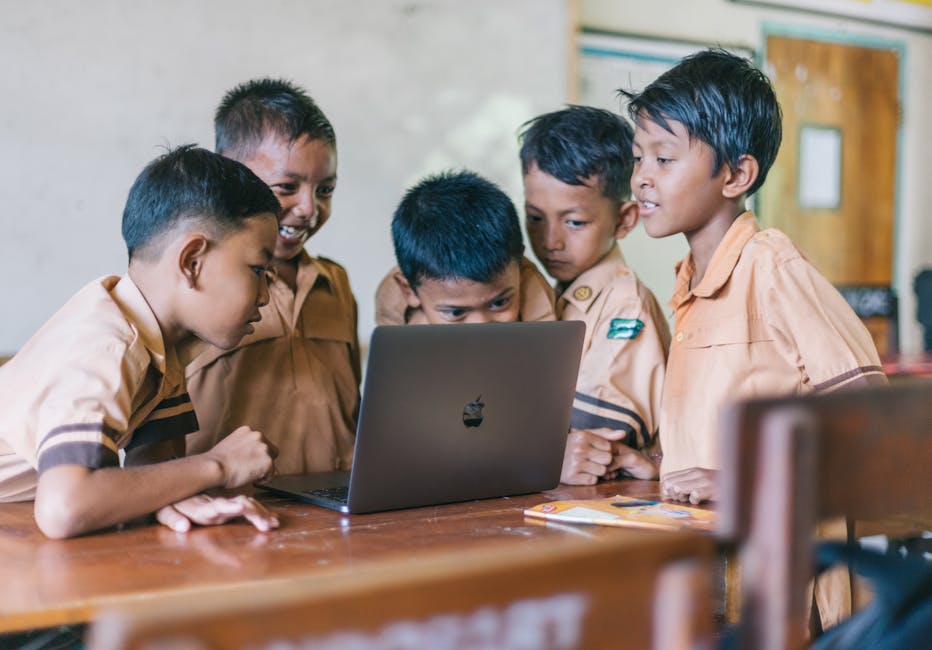
Transforming Classrooms: Top 10 Educational Trends Every Teacher Should Know in 2023

In the ever-evolving landscape of education, staying informed about the latest trends is crucial for teachers aiming to enhance their teaching methods and student engagement. As we navigate through 2025, several innovative trends are reshaping the classroom experience. Here are the top 10 educational trends every teacher should know in 2025.
1. Personalized Learning
Personalized learning continues to gain traction as a powerful approach to meet the diverse needs of students. This trend focuses on tailoring the educational experience to each student's unique learning style, interests, and pace. By leveraging technology, teachers can create customized learning paths that help students achieve their full potential.
Key strategies include:
- Using adaptive learning technologies to adjust content based on student performance
- Incorporating student choice in assignments and projects
- Providing regular feedback and one-on-one support
According to a recent study, personalized learning has led to a 25% increase in student engagement and a 20% improvement in academic performance in schools that have implemented this approach.
2. Integration of Artificial Intelligence (AI)
The integration of Artificial Intelligence (AI) in education is revolutionizing how teachers manage classrooms and deliver content. AI tools can automate administrative tasks, provide real-time analytics, and offer personalized feedback to students. These advancements not only减轻教师的负担 but also enhance the learning experience by providing more accurate and timely support.
Some popular AI applications in education include:
- AI-driven grading systems that reduce the time teachers spend on grading
- Virtual assistants that answer student questions and provide resources
- Chatbots that offer 24/7 support for students and parents
AI is not meant to replace teachers but to augment their capabilities, making the classroom a more efficient and effective learning environment.
3. Blended Learning
Blended learning combines traditional face-to-face classroom instruction with online learning, providing a flexible and dynamic educational experience. This approach allows students to learn at their own pace while still benefiting from the social and collaborative aspects of in-person classes.
Key components of blended learning include:
- Online modules and resources that students can access at any time
- Flipped classrooms where students review material before class and use class time for discussions and activities
- Hybrid courses that blend online and in-person elements
Blended learning has been shown to improve student engagement and academic outcomes, with a 30% increase in student participation in blended courses compared to traditional courses.
4. Social and Emotional Learning (SEL)
Social and Emotional Learning (SEL) is becoming an integral part of the educational curriculum. SEL focuses on developing students' emotional intelligence, social skills, and resilience, preparing them for success in both academic and personal life. By integrating SEL into the classroom, teachers can create a supportive and inclusive learning environment.
Strategies for implementing SEL include:
- Teaching mindfulness and stress management techniques
- Encouraging open communication and peer support
- Providing opportunities for students to practice empathy and teamwork
Research in 2025 shows that schools with strong SEL programs have seen a 15% reduction in disciplinary issues and a 20% improvement in student well-being.
5. Gamification in Education
Gamification involves using game design elements and principles in non-game contexts to enhance learning and engagement. By incorporating elements such as points, badges, and leaderboards, teachers can make learning more interactive and enjoyable. Gamification not only motivates students but also helps them develop critical thinking and problem-solving skills.
Examples of gamification in the classroom include:
- Using educational apps that turn learning into a game
- Creating classroom challenges and quests
- Implementing gamified assessment methods
In 2025, gamification has been linked to a 25% increase in student motivation and a 15% improvement in test scores in gamified classrooms.
Conclusion
As we move through 2025, these top 10 educational trends are transforming the classroom and enhancing the learning experience for both teachers and students. By embracing personalized learning, AI, blended learning, SEL, and gamification, educators can create more engaging, effective, and inclusive educational environments. Staying informed about these trends and continuously adapting teaching methods will ensure that students are well-prepared for the challenges of the future.